 Qur'an Alarm
How long does it take to read the whole Quran?
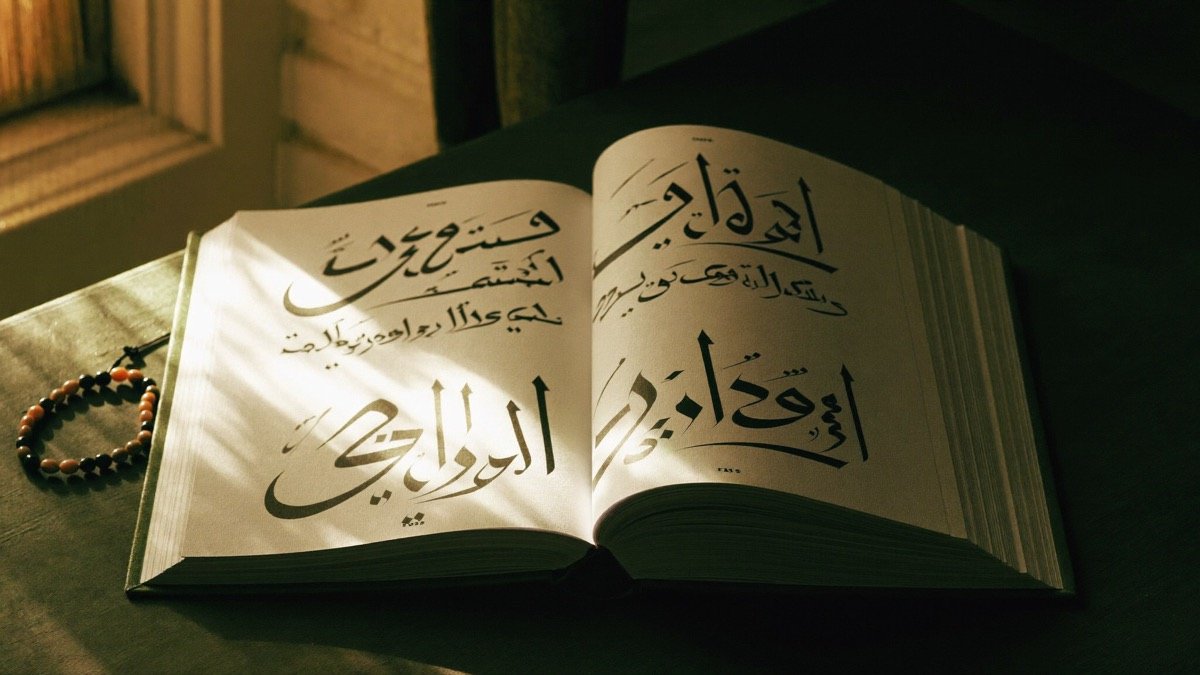
Almost everyone who sets out to read the Quran from beginning to end underestimates two things: how little time it takes per day, and how hard it is to keep the thread. Here are the actual numbers.
The size of the task
| Pages in a standard Madani mushaf | 604 |
| Verses | 6,236 |
| Chapters (surahs) | 114 |
| Parts (juz) | 30 |
The division into 30 juz exists precisely so the whole can be read in a month — one juz per day, which is the traditional Ramadan pace.
What each pace costs you per day
Reading speed varies enormously with familiarity, so these are ranges rather than promises. They assume unhurried recitation, not silent skimming.
| Finish in | Per day | Roughly |
|---|---|---|
| 30 days | 1 juz ≈ 20 pages | 45–60 min |
| 3 months | ≈ 7 pages | 15–20 min |
| 6 months | ≈ 3.5 pages | 8–10 min |
| 1 year | ≈ 1.7 pages, about 17 verses | 4–5 min |
The number that surprises peopleA complete reading in a year costs about five minutes a day — less than the time spent deciding what to watch. The barrier has never been the duration.
Why khatma plans fail
They rarely fail because the daily amount is too large. They fail for three much smaller reasons:
- No fixed moment. "Sometime today" reliably becomes tomorrow. A habit needs an existing anchor — after a specific prayer, before sleep, on waking.
- Losing your place. Two missed days and reopening means finding where you were, which is enough friction to end the attempt.
- Starting too fast. A juz a day outside Ramadan is ambitious. Missing it twice feels like failure, and failure ends plans faster than difficulty does.
What actually holds
- Attach it to something that already happens every day. The strongest anchors are the ones you do not choose — waking up is the most reliable of all.
- Pick a pace you would still keep on a bad day. Three pages when tired beats twenty pages abandoned in week two.
- Let something else remember your place. The act of finding where you stopped is where most restarts die.
- Treat a gap as a pause, not a reset. A khatma has no expiry. Missing a week costs a week, not the attempt.
Why the morning worksWaking up is the one appointment nobody skips. Attaching a few verses to the alarm you already set removes both the scheduling decision and the question of where you stopped — the two things that end most khatma plans.
A note on pace
There is no single correct speed, and this page does not suggest one. Different scholars and traditions encourage different rhythms, and questions of tajwid, reflection and reading style are theirs to answer, not an app's. What is measurable is only this: at any of the paces above, the whole is reachable, and the daily cost is smaller than almost everyone assumes.